At our previous home, we had expansive gardens featuring daylilies, hosta and many perennials. Looks like a lot of work, doesn’t it? We were younger then…
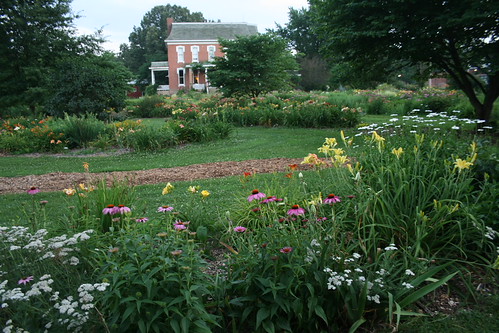
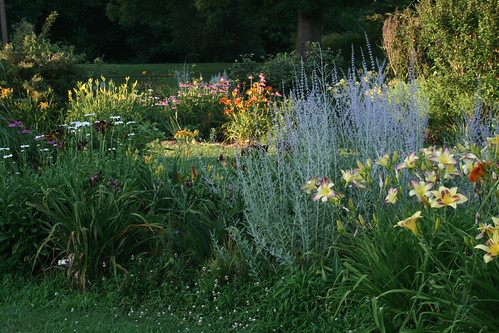
Most of those plants were non-natives. It hadn’t occurred to us to work with natives. At our present home we are striving to have a more eco-friendly garden, though we still treasure many of those plants from the old house. Daylilies, hostas and perennials accompanied us to our new home when we moved.
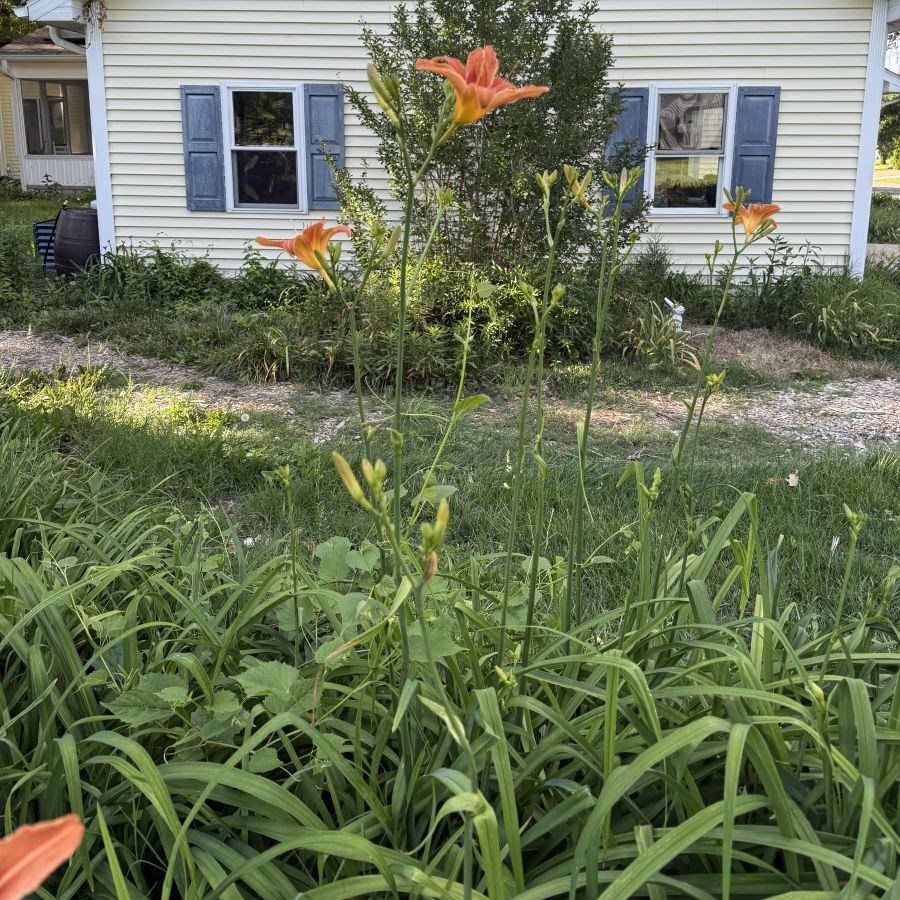
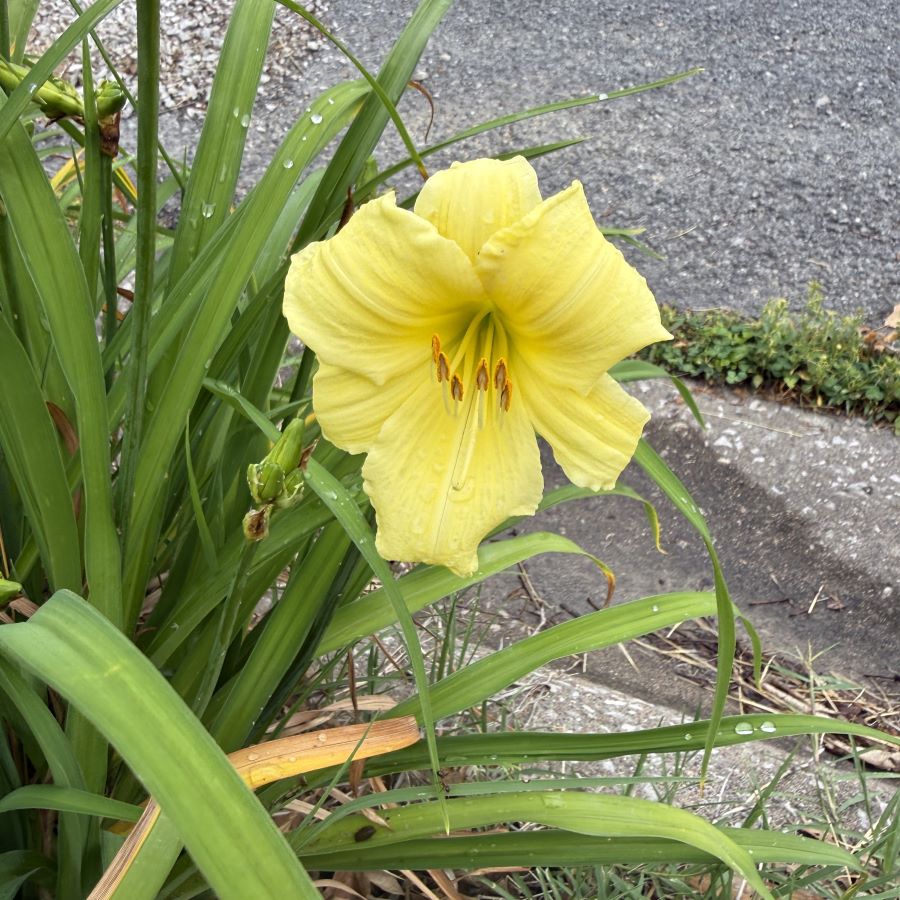
The first of the daylilies are blooming. For us, that signals the waning of spring and the waxing of summer. We aren’t sure of the name of the daylily on the left. After more plants bloom around it, we will check our list of that bed. We should be able to identify it. The one on the right is ‘Fragrant Treasure.’ This yellow daylily is one of the first to bloom in our garden. It grows to about 24″.
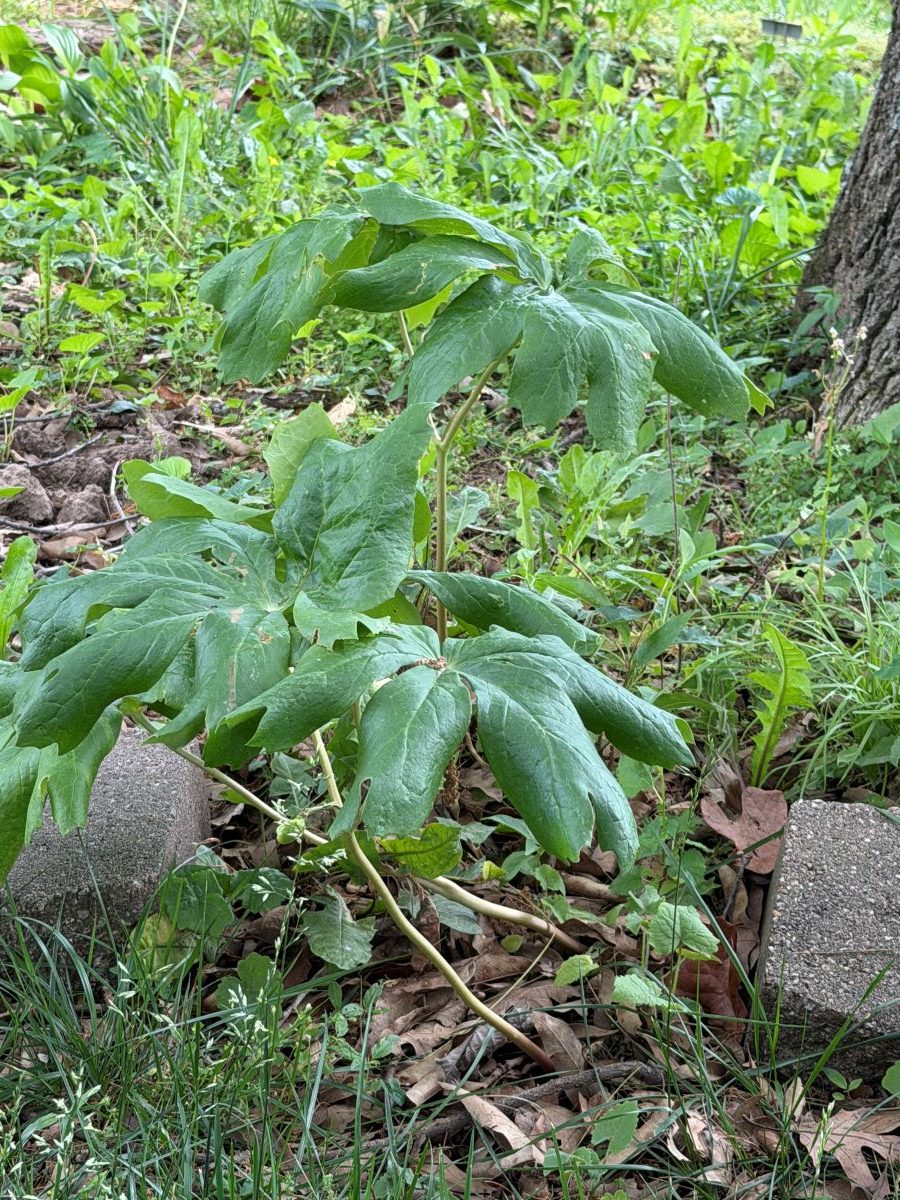
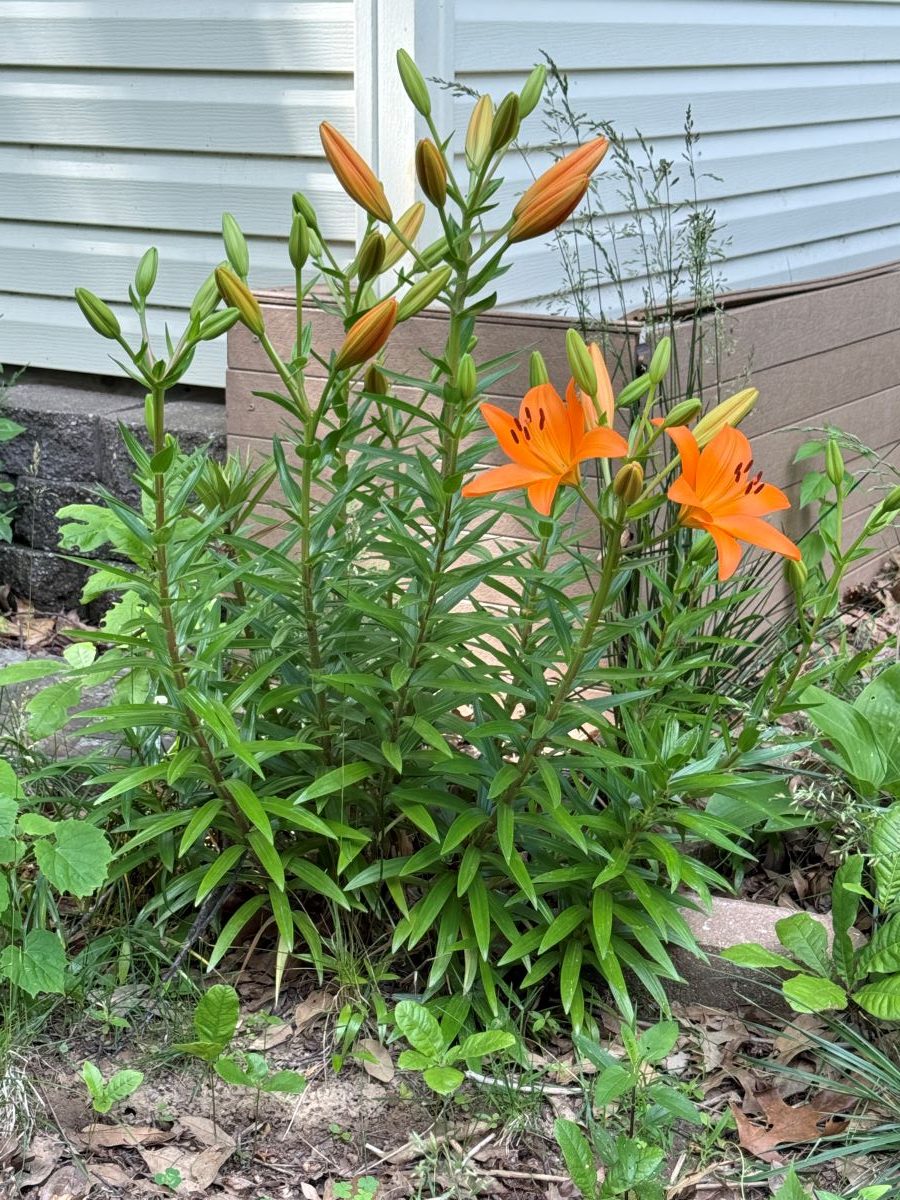
We have three mayapples under one of the large oak trees. They bloomed and have formed fruit. We’re watching to see how they develop. The Asiatic lilies came from our previous home. There are two clumps, both on the east side of the shed. I think they would appreciate a sunnier home, so, after blooming, I’ll have my garden gnome move them to the south side of the house.
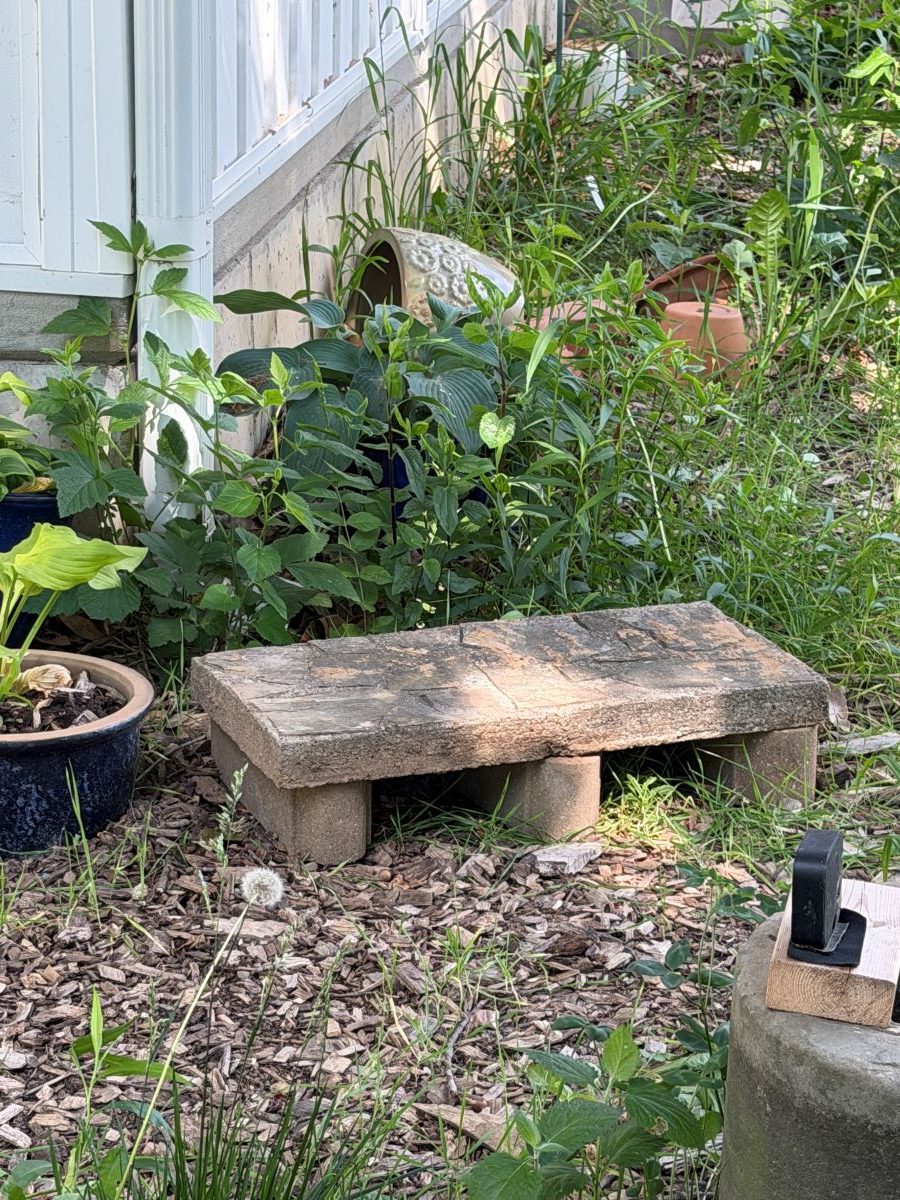
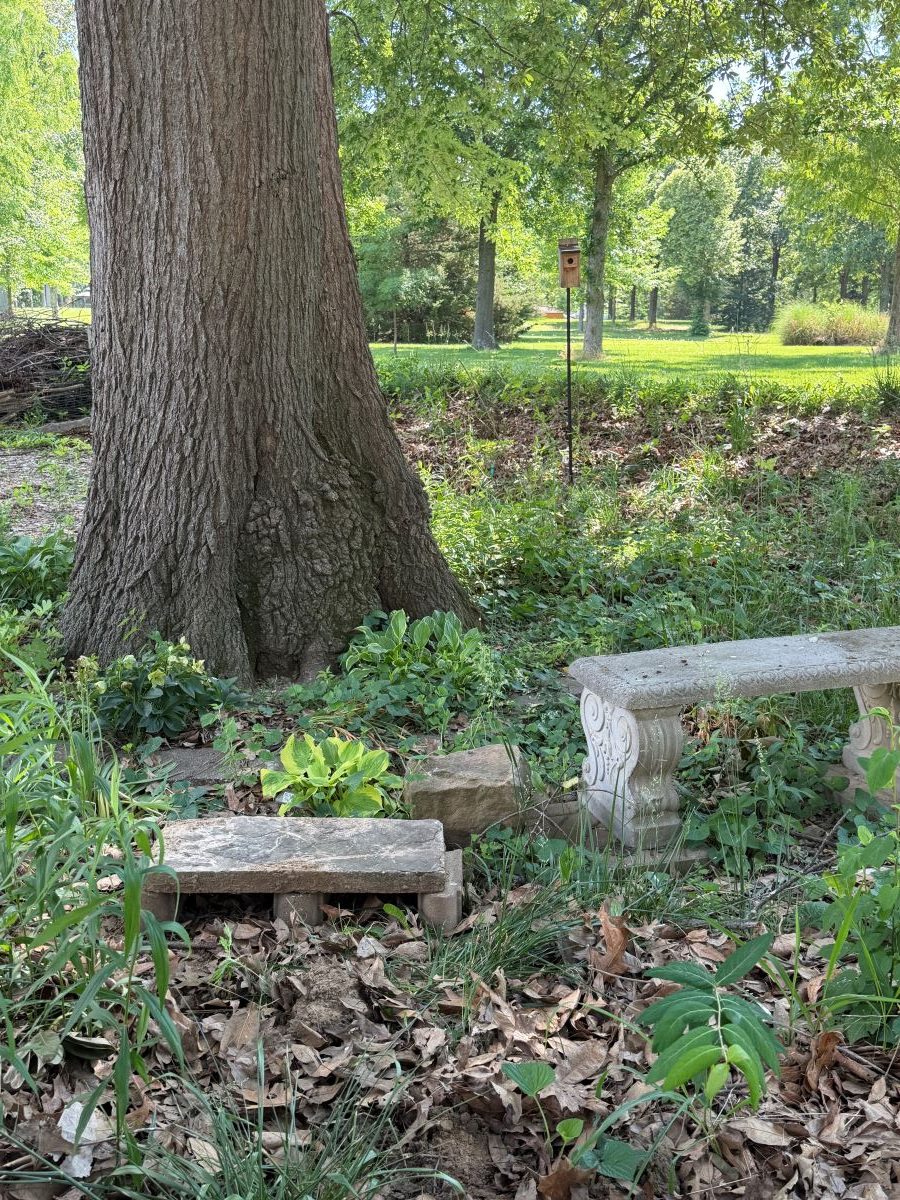
Proof I have a garden gnome. Here he is, building a toad/reptile/critter house from old paving stones and landscape bricks. We are eager to see who uses this little stone house.
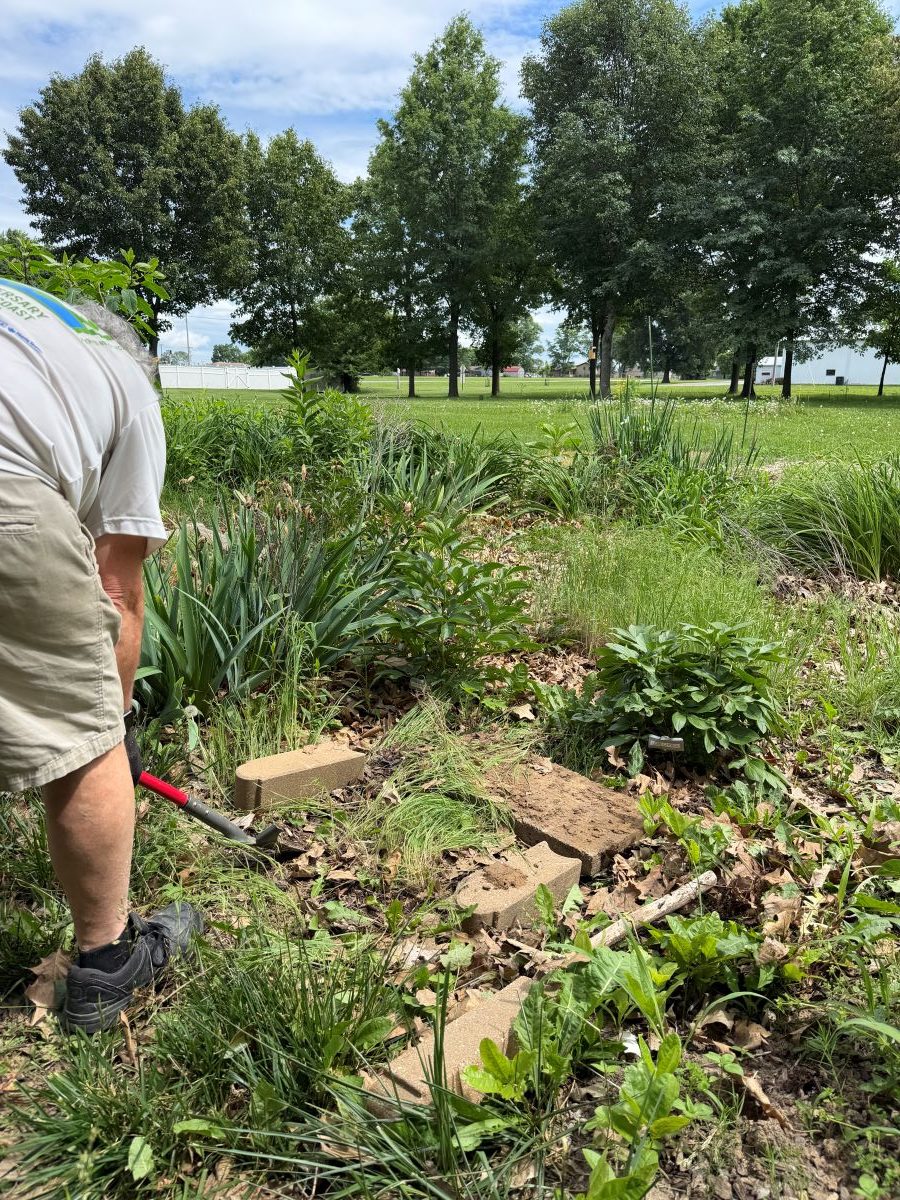
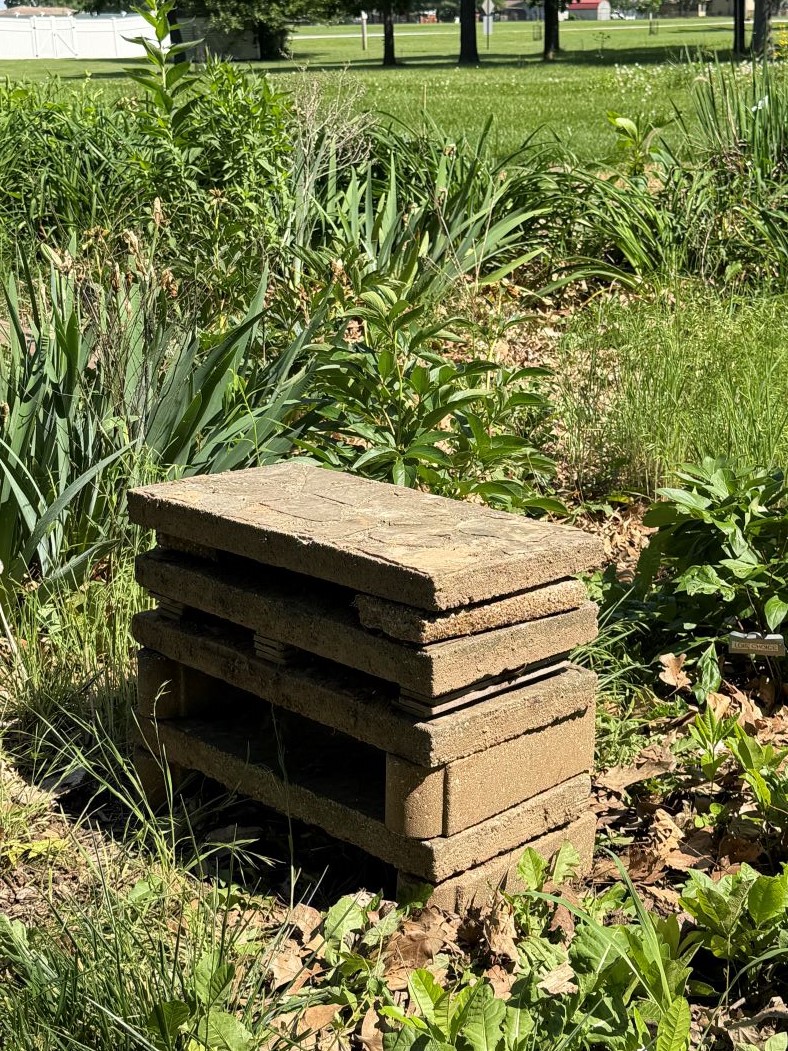
We also put up two smaller ones, also intended as toad houses, but everyone is welcome. All three structures were very easy to set up. BTW, I say “we” but that means “the garden gnome.” I am the supervisor.
Though we still have our favorite hosta and daylilies, we are slowly “going native” by planting native flowers, shrubs and trees. Diversifying the eco system draws more and more wildlife to our yard. The wildlife is entertaining and fun to watch as the seasons go by. We get deer, of course. Doesn’t everyone? Also, foxes, skunks, opossums, woodchucks, squirrels, chipmunks, etc. We don’t see rabbits, though there are several feral cats in the neighborhood and they may be the reason the rabbits don’t live here. We don’t feed the four-legged wildlife. They are better off foraging for their natural food than by surviving on human handouts.
We do feed the birds, however. I know there is discussion about whether or not birds should be fed. I follow the advice of Dr. Doug Tallamy, an entomologist who has spent his life studying the impact of civilization on local eco systems, particularly the insects that support bird life. Please read his books. They are packed with information and advice about improving eco systems in one’s own backyard. Dr. Tallamy emphasizes that bird feeders feed adult birds. That is especially important in winter, and serves as a supplemental source of food in summer. Baby birds don’t eat seeds. They need insects. For example, Chickadees need 6000-9000 caterpillars to raise one brood of baby birds. Those caterpillars have to be found near the nest. To support the feeding of baby birds, our yards need to support native plants because native plants support the necessary insects.
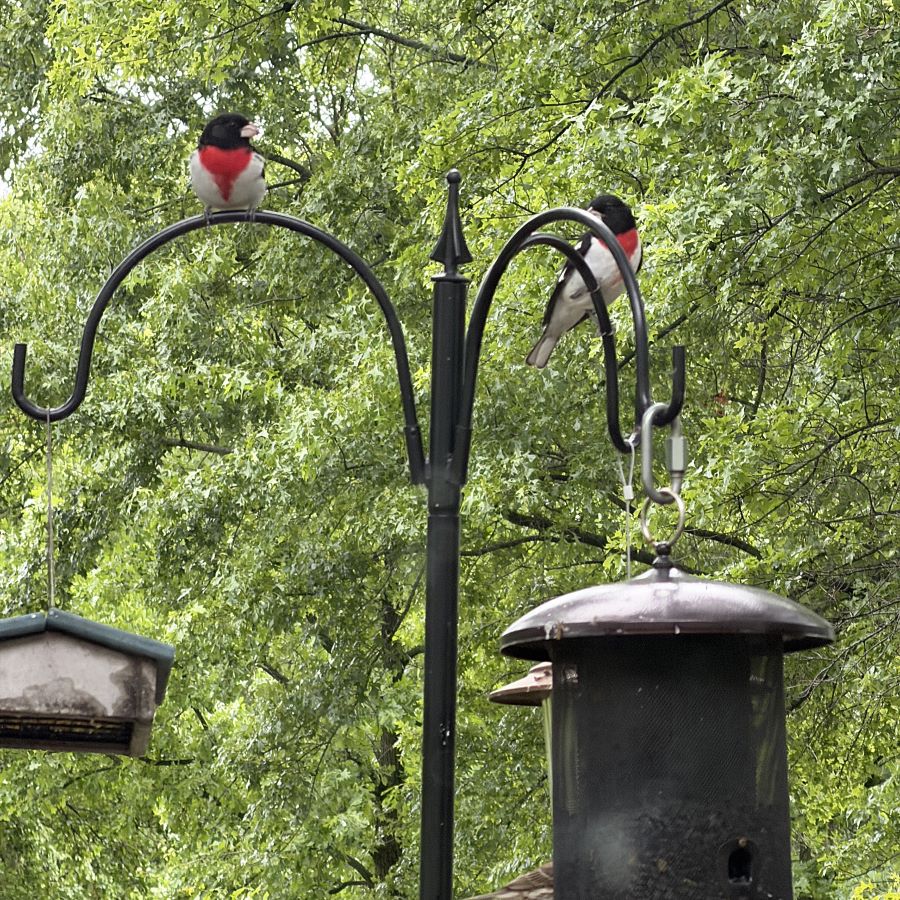
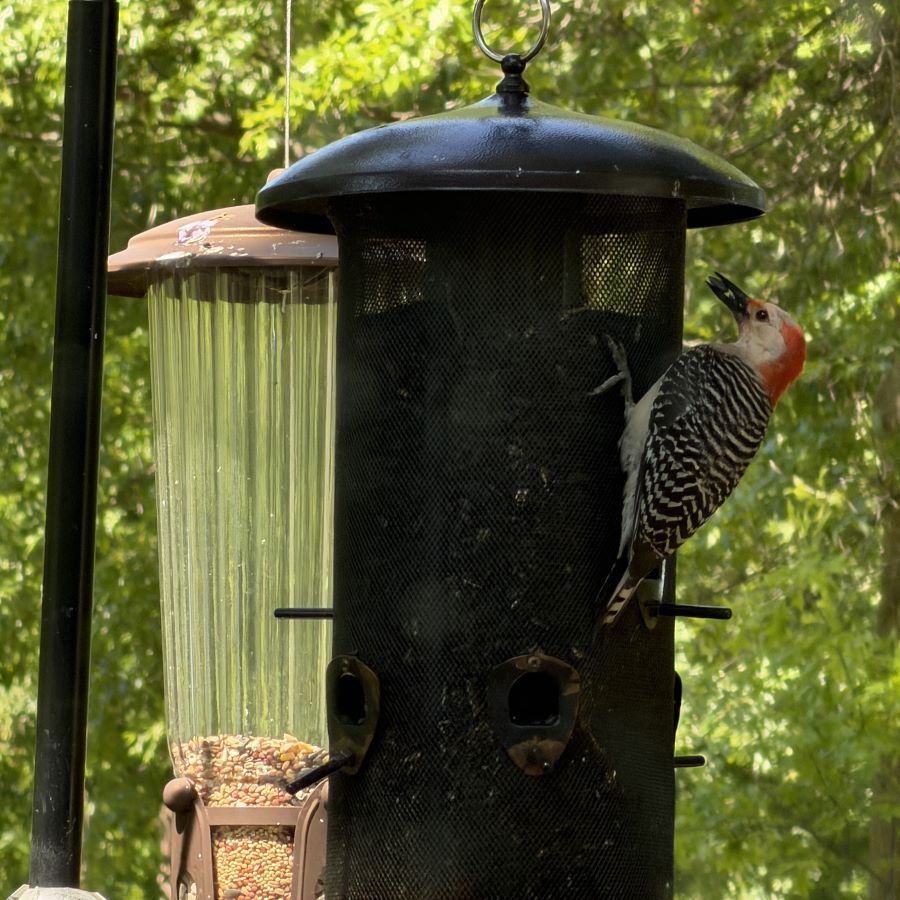
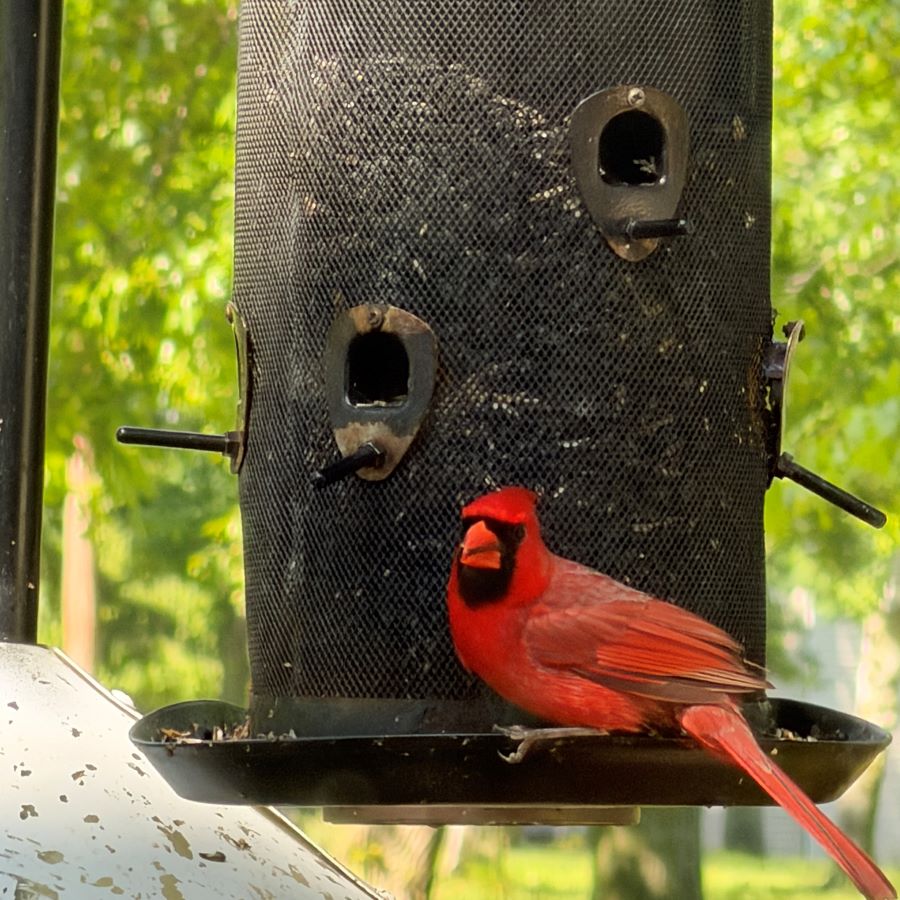
This year we had Red-breasted Grosbeaks for about two and a half weeks. These spring visitors normally stay for a few days, then move on. There were at least four males and several females. Just as we began to hope they might stay in the area, they were gone, no doubt flying north for territory more suitable for nesting. There are a couple of Red-bellied Woodpeckers nearby. We see them everyday. We get a lot of Cardinals. Beautiful birds. They are the last to leave the feeders in the evening, waiting until almost full dark before going home to bed.
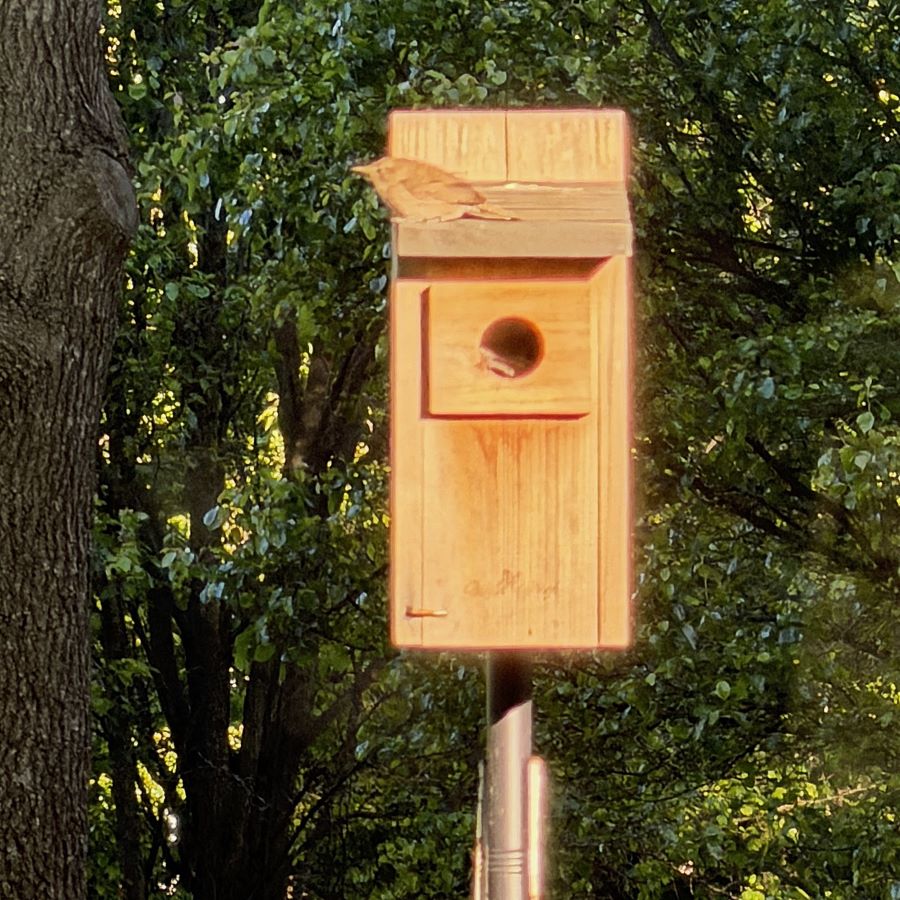
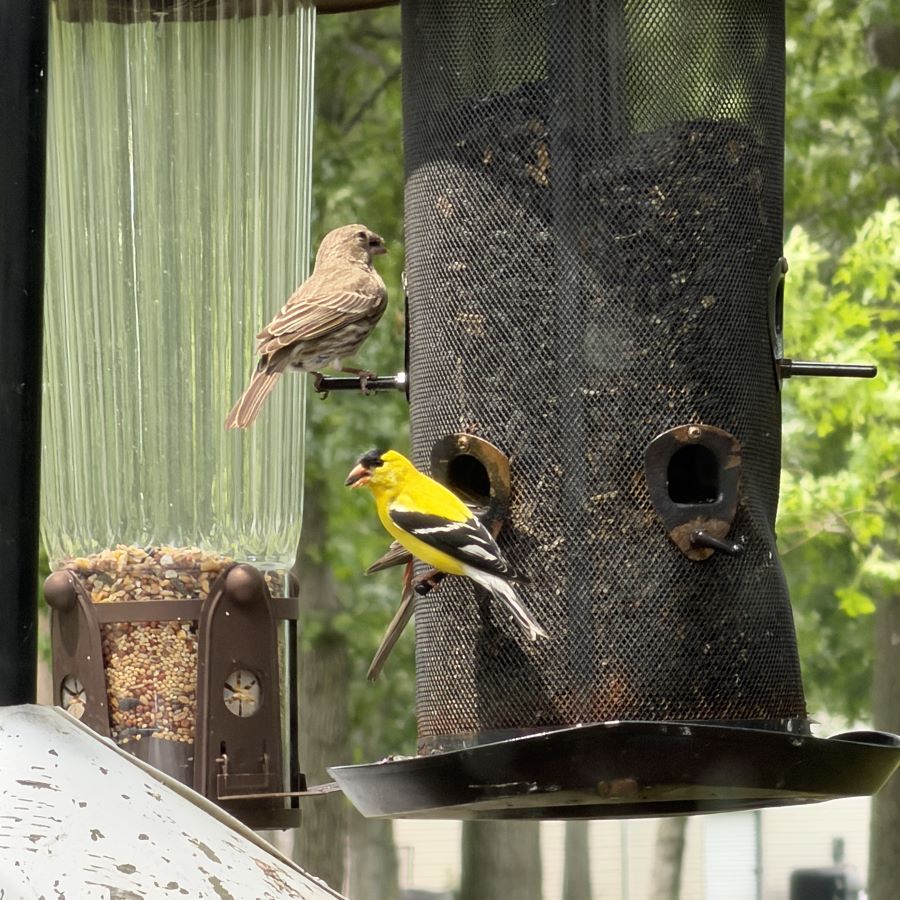
The Northern House Wren checked this box early on and even worked on a nest for three days with his mate, but settled on a different box for nesting. We don’t see Goldfinches as often in summer as in winter. It’s always a nice surprise to spy one on the feeder.
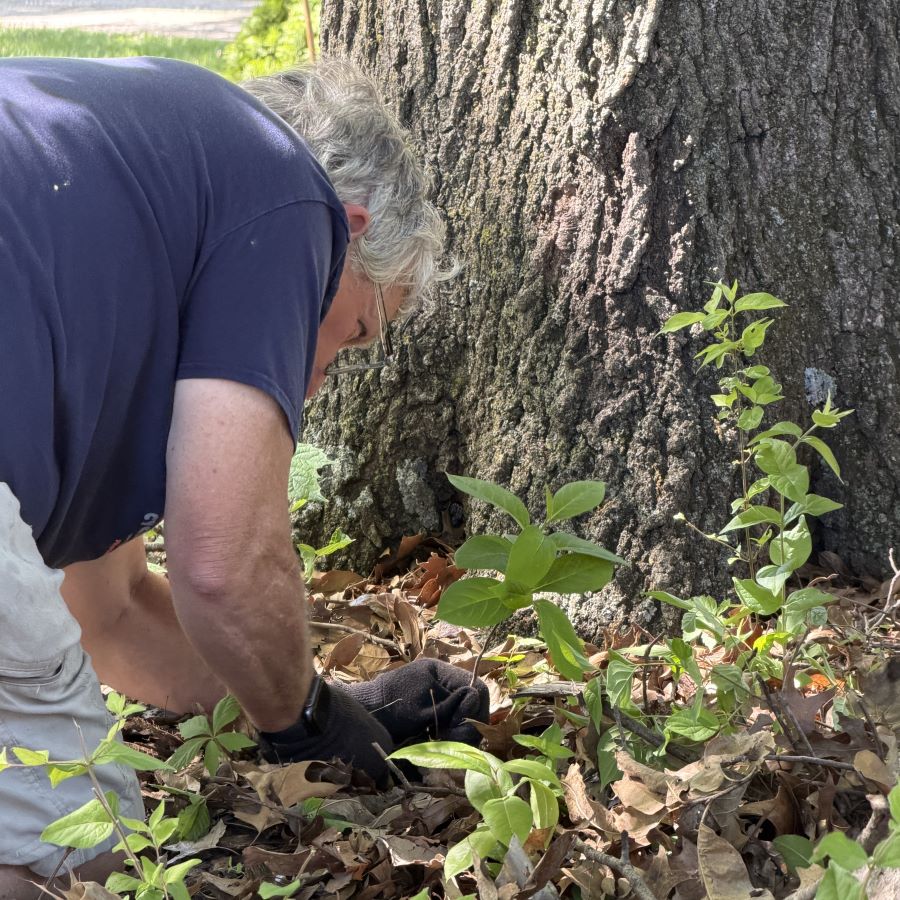
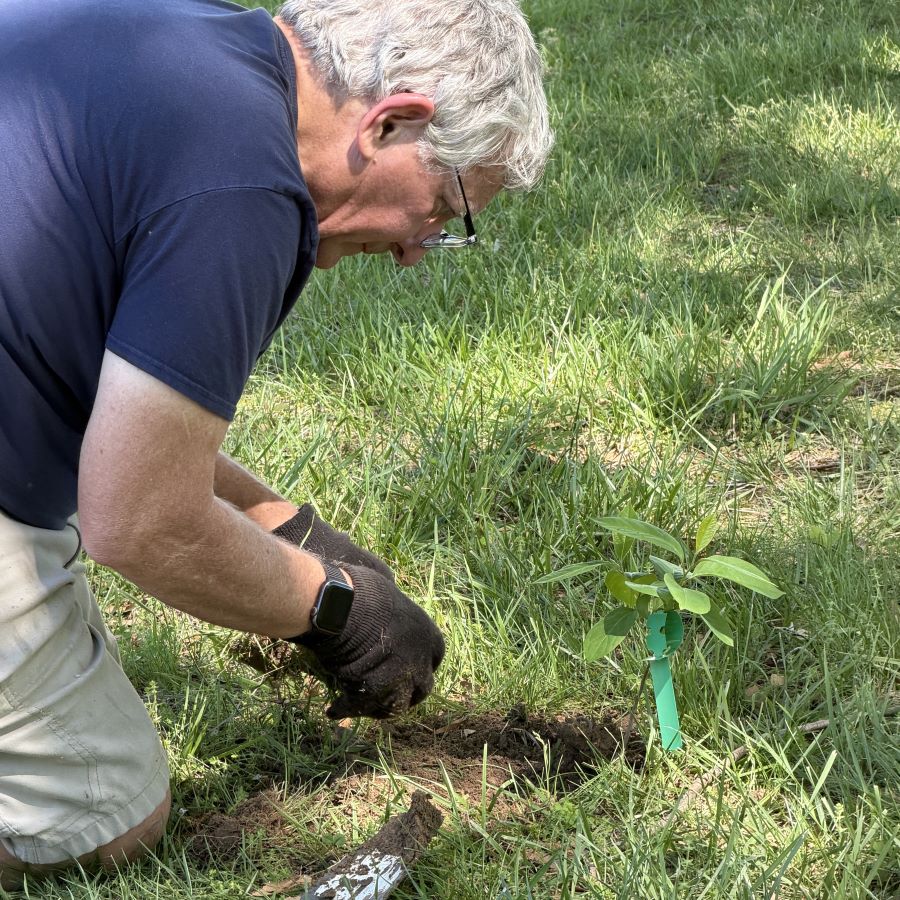
As we tour the yard, we continually find trees planted by the wildlife, critters and birds alike. The garden gnome has transplanted multiple persimmon trees that have sprouted in the yard. He spied this one at the base of one of the oak trees and moved it to the 3/4 acre lot we purchased just south of our house. It’s affectionately known as “the south forty.” Persimmons need male and female trees to make fruit. We’re sure we have this covered, as the garden gnome has transplanted plenty of them. He has also transplanted ash, rough-leafed dogwood, red buds, cottonwood, tulip trees, black cherry, elm, hackberry, oak, and cedar, all of which sprouted in the yard. He has also transplanted flowering dogwood and sassafras from our previous home. There are thousands, literally thousands, of Bradford pears (AKA Callery pear) as well, which is a full time battle to combat. The garden gnome is constantly pulling these massively invasive, non-native trees out of the yard, along with invasive, non-native, bush honeysuckle. Below, the transplanting of another persimmon tree. Anyone local want one…or two…? We keep finding more.
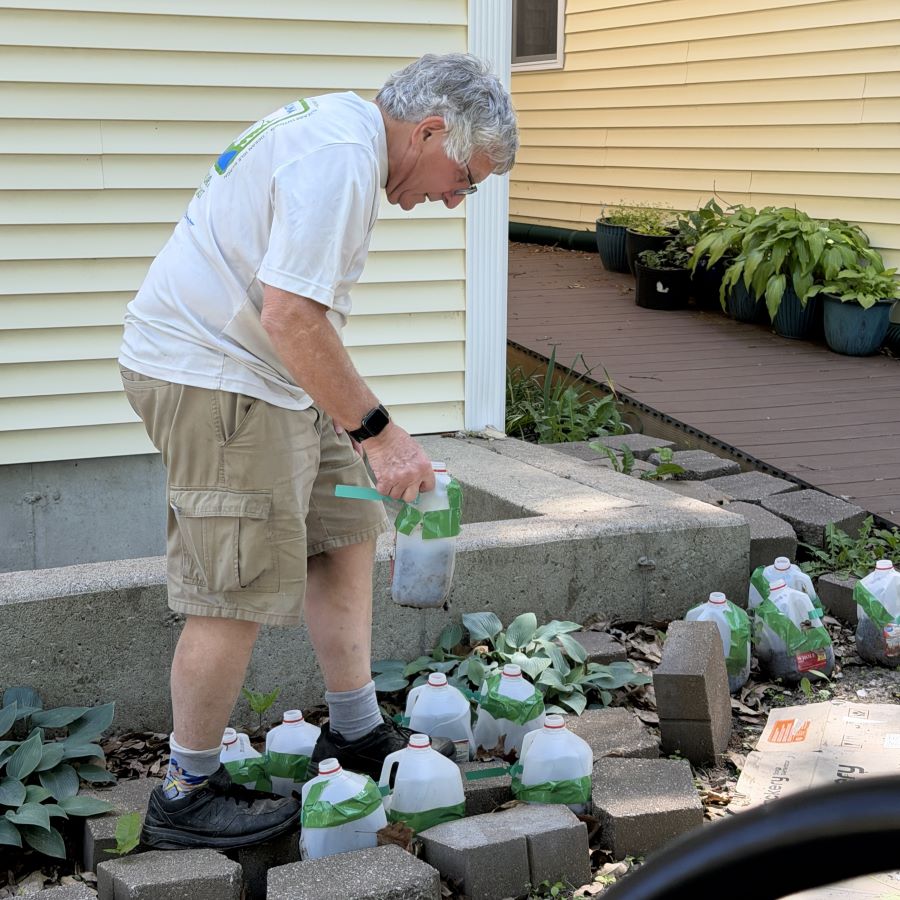
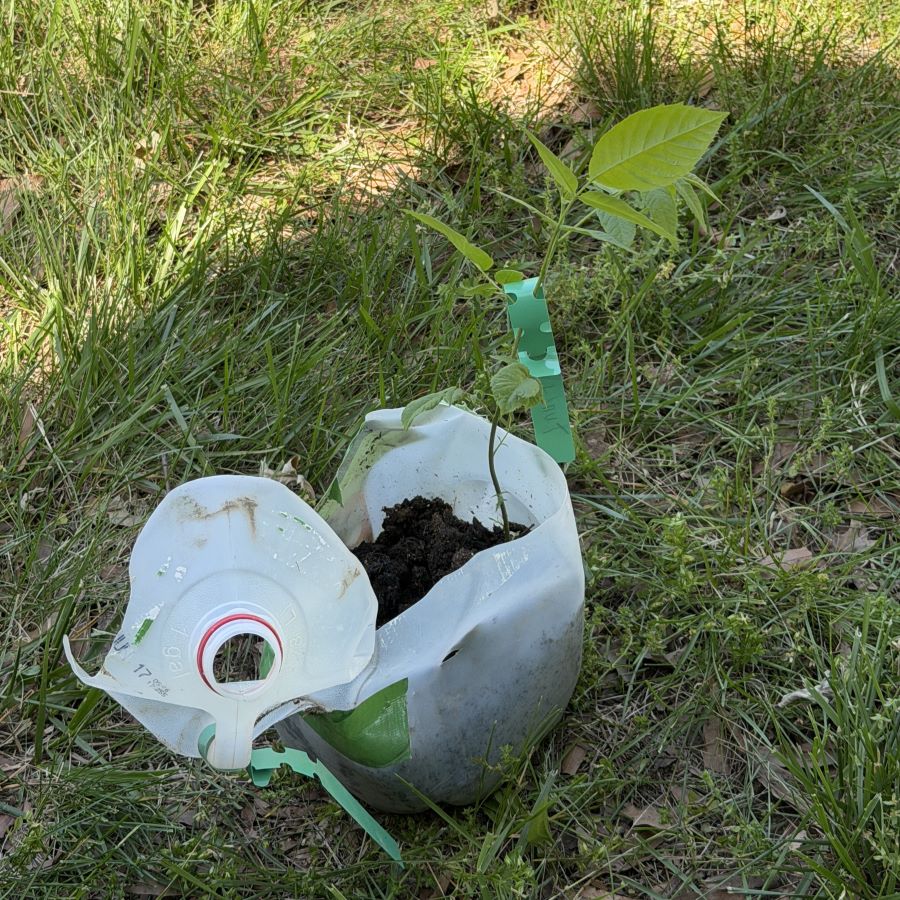
We tried winter sowing for the first time this year. Last fall we collected wild hickory nuts, pecans, and walnuts at Old Salem Cemetery. In January, they were planted in milk jugs, sealed except for the cap, and set outside to wait out winter. Now they are sprouting. This one is a hickory tree. It has been transplanted to the south forty.
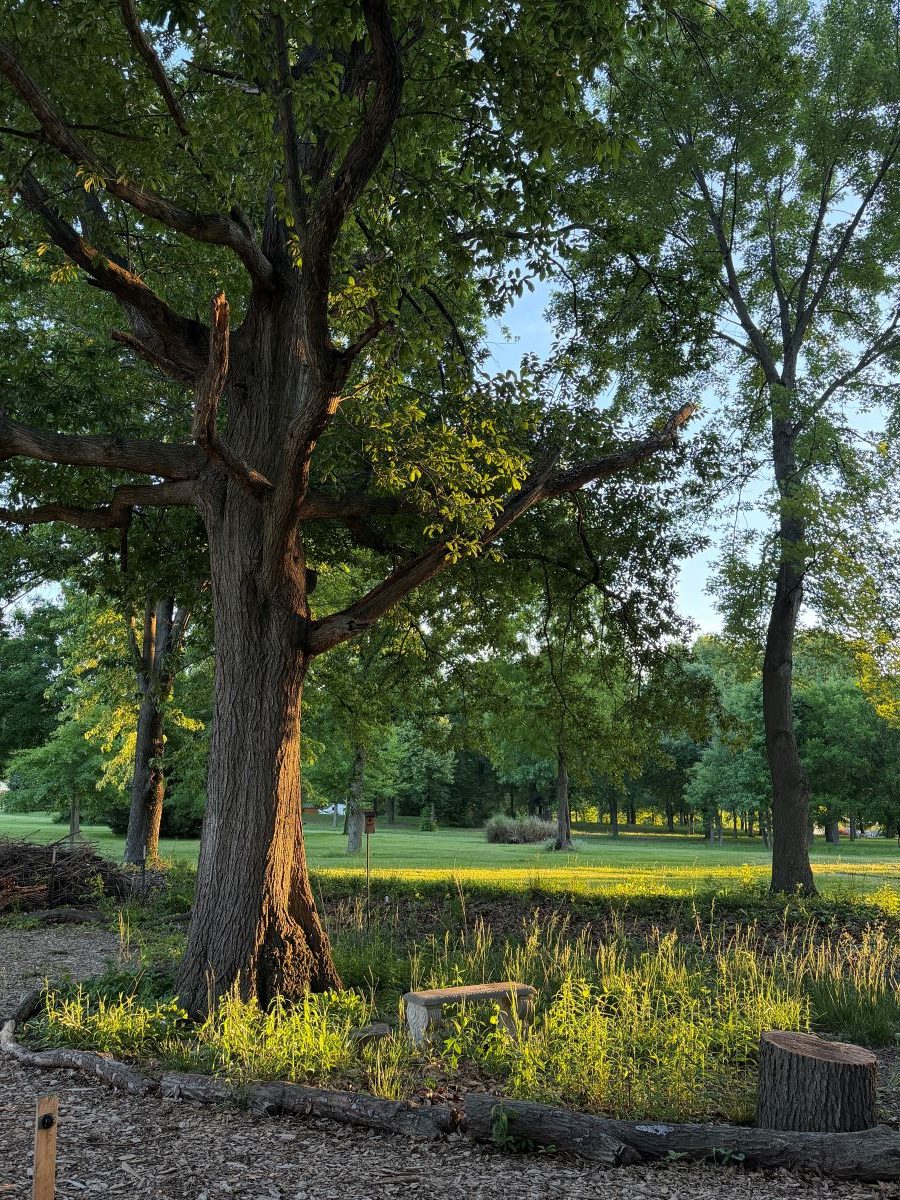
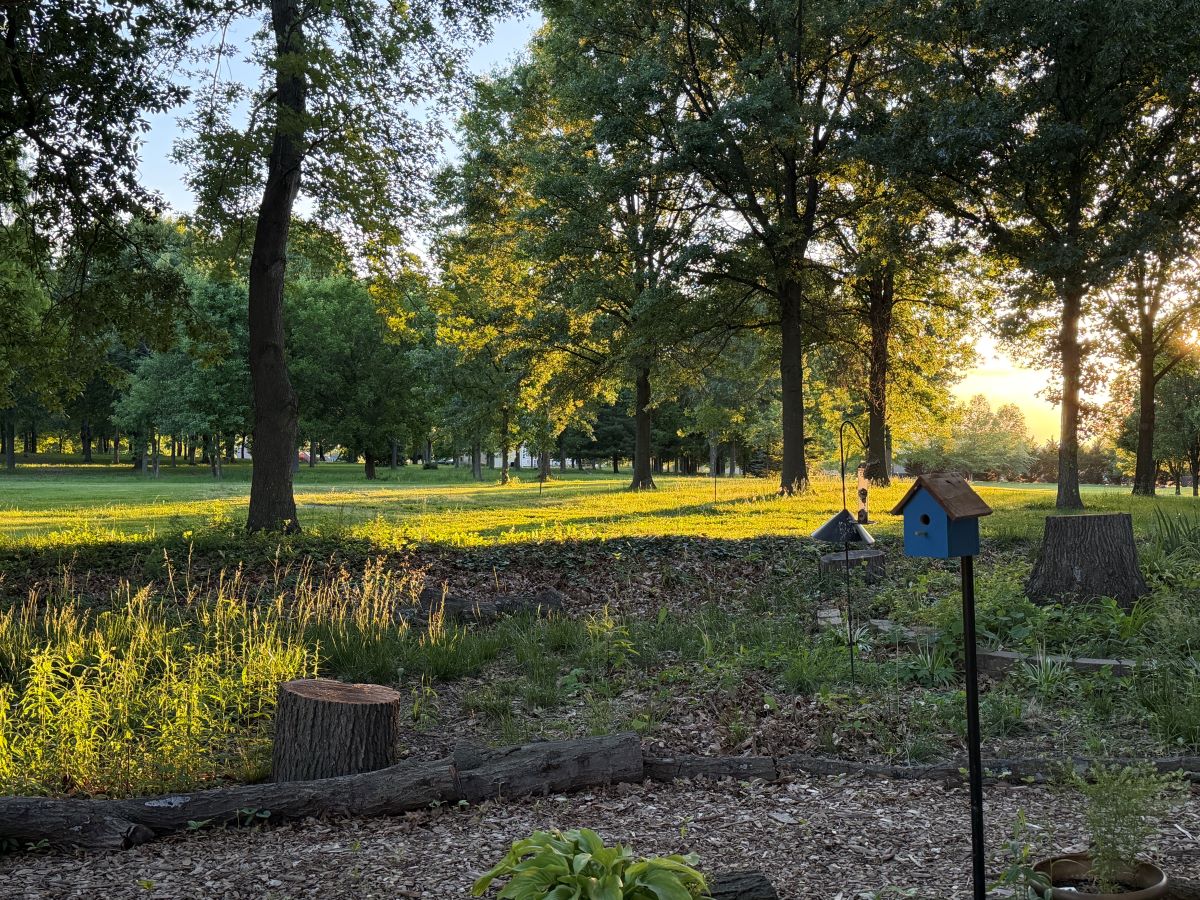
Our view from the catio is bountifully enhanced by our neighbors’ property, planted with many oak trees. Below, the evening sun passes through the neighbors’ trees to highlight our native plants. We are blessed with a peaceful view that supports native plants, insects, wildlife and birds.
I hope you find inspiration to improve the local eco system in your own yard. One plant or many, every native plant, shrub and/or tree helps!
~~Rhonda 🙂